Doctor visits
How to Make a Going to the Doctor Social Story
A going to the doctor social story is a short, first-person book that walks your child through a check-up: the waiting room, getting weighed and measured, the blood pressure cuff, the stethoscope, looking in ears and mouth, and sometimes a shot. It is honest without being scary and includes a comfort plan. You can make one free at makeabook.fun.
A going to the doctor social story is a short, personalized book that tells your child, in their own voice, what happens at a check-up and what they can do if they feel worried. It walks through each step in order, from the waiting room to the stethoscope, and it is honest about the parts that might be uncomfortable. When the book shows your child's real doctor's office, the check-up becomes something they have already practiced.
Why make a doctor visit social story about your own child?
A personalized doctor story shows the exact office, the exact people and the exact steps your child will see, so there is less to wonder about. Young children often worry most about what they can't picture.
Social stories, a format developed by Carol Gray, describe what usually happens in calm, literal words from the child's point of view. Our guide on how to write a social story explains the basics. Check-ups suit the format well because most follow a similar order every time, so one book can be updated and reused for years.
What should a going to the doctor social story include?
Cover the visit in the order it happens, be honest about anything that might pinch or feel strange, and end with a comfort plan and a calm finish. Most check-up stories include:
- Why we go. Check-ups help the doctor see that I am growing and healthy.
- The waiting room. Checking in, waiting, and what they can do while they wait.
- Weighing and measuring. Standing on the scale and standing tall against the wall.
- The blood pressure cuff. It squeezes my arm like a tight hug, then lets go.
- The stethoscope. The doctor listens to my heart and breathing. It might feel cold.
- Ears, eyes and mouth. A little light looks in my ears, and I say "ahh".
- Maybe a shot. Only if one is planned, said honestly and briefly.
- A comfort plan. The things your child can do when it feels like too much.
Every office is a bit different. If you aren't sure what this visit includes, call ahead and ask, then write only the steps your child will really have.
A page-by-page outline you can copy
This 15-page outline is in first person, present tense. Replace the words in brackets and cut the pages that don't apply.
- Cover: "[Name] Goes to the Doctor", with a photo of your child.
- Why I go: "I am [Name]. I go to the doctor for a check-up. A check-up helps the doctor see that I am growing."
- Getting there: "[Daddy] takes me to [Dr. Name]'s office." Use a photo of the building or front door.
- The waiting room: "We check in at the desk. Then I wait. I can [play with my car / read a book]."
- The scale: "A nurse named [name] calls my name. I stand very still on the scale. It shows how much I weigh."
- Standing tall: "I stand tall against the wall so the nurse can see how tall I am."
- The exam room: "I sit on the exam table. It has crinkly paper on it. The paper makes a funny sound."
- The arm squeeze: "The nurse puts a cuff on my arm. It squeezes tight like a hug, then lets go."
- The stethoscope: "The doctor listens to my heart and my breathing. The stethoscope might feel cold. I take big breaths."
- Ears and eyes: "The doctor looks in my ears and eyes with a little light."
- Say ahh: "I open my mouth and say 'ahh'. The doctor might use a little wooden stick to look."
- My tummy: "I lie down and the doctor gently presses on my tummy. It might tickle."
- Maybe a shot: "Today I might get a shot. It pinches for a moment, then it is over. I can [hold Daddy's hand / squeeze my bear]."
- My comfort plan: "If I feel worried, I can take three big breaths, hold a hand, or look at my book."
- All done: "The check-up is over. [I get a sticker / we get a snack]. I did it."
Words that help on the shot page
Be honest and brief. Saying a shot "won't hurt" can make the next visit harder if it does pinch. Focus on how short it is, what helps, and what comes after. You might use:
Sometimes I get a shot at the doctor. Shots help keep my body healthy. A shot pinches for a moment, then it is over.
I can hold [Mommy's] hand and look at her face. I can count to five. I can cry if I need to, and that's OK.
After the shot, I get a bandage. The spot might feel sore for a little while.
When I feel worried, I can say "I need a minute." Then I take three big breaths.
If you know there won't be a shot at this visit, leave the shot page out. You can add it back for the next check-up.
When and how should I read it?
Read it once a day for a few days before the appointment, and bring it with you to read in the waiting room. Hearing the same calm steps several times is what makes them feel familiar.
- Play doctor: use a toy doctor kit to check a stuffed animal in the same order as the book. Then let your child check you.
- Practice the comfort plan: do the three big breaths together while reading that page, so they are ready on the day.
- Tell the office: some families show the book to the nurse so they can use the same words.
- Update after: fix anything that happened differently, so the next visit's book is accurate.
This book is a way to help your child know what to expect, not medical advice. Follow your pediatrician's guidance, and your child's therapist or teacher if they have one.
How to make it on makeabook.fun
makeabook.fun is a free picture-book maker that runs in your browser on a phone, tablet or computer, with no sign-up.
- Start a blank book. Open "A blank book" for twelve empty pages, then add pages to fit the outline.
- Collect photos. The clinic's website may show the building and waiting room. Photos of a toy doctor kit work well for the stethoscope and cuff pages.
- Write one step per page. Upload each photo and drag to reposition and zoom it. "Picture with words below" keeps the walk-through clear.
- Add your child's drawings. They can draw the doctor or a bandage on the built-in drawing pad, or draw over a photo.
- Use Andika. It is a font designed for children learning to read, so the words stay easy to follow.
- Flip through it in the reader together, then print.
Printing the book
The free print-at-home PDF prints in full color, each page centered on US Letter or A4 paper. For a book that comes to every check-up, the Keepsake edition ($2.99 once per book) offers print-shop quality at the exact book size, no makeabook.fun mark, and a fold-and-staple booklet layout, with free re-downloads after edits. Our guide to printing a picture book at home has paper tips. Next, try a dentist social story or a haircut social story using the same steps.
Questions parents ask
Should a doctor social story mention shots?
If your child might get a shot, yes. A calm, honest page that says it pinches for a moment and what they can do to feel better usually works better than a surprise. If you know there won't be a shot, leave it out.
When should I read the doctor social story?
Start a few days before the appointment and read it once a day. Bring it to read in the waiting room, too.
What is a comfort plan?
It is a short list of things your child can do when they feel worried, like holding a hand, squeezing a toy, taking big breaths or looking at a book. Putting it in the story lets them practice it ahead of time.
Can I use the same book for every check-up?
Yes. Update the age, the photos and anything that changed, then print a fresh copy before the next visit.
Is a doctor social story medical advice?
No. It is a simple way to help your child know what to expect. Follow your pediatrician's guidance, and your child's therapist or teacher if they have one.
Ready to make yours?
Free, right in your browser. Pick a story starter, add pictures, and print it at home.
Start a doctor story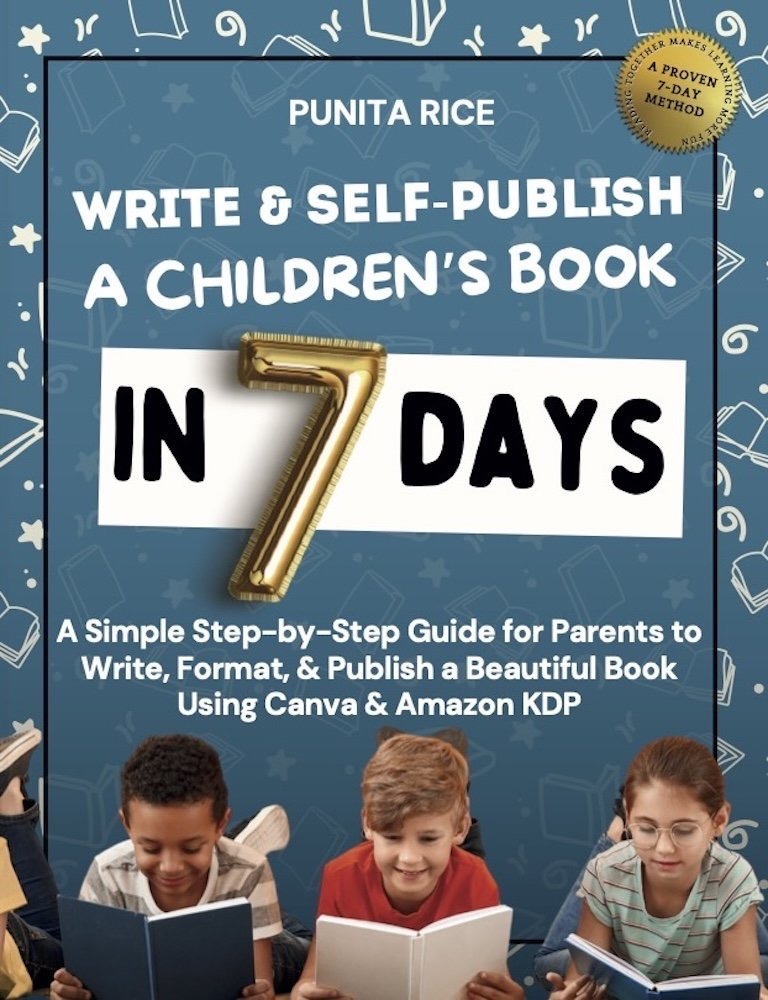
Write & Self-Publish a Children’s Book in 7 Days walks you through every step, including Amazon KDP. ★★★★★ 5.0 on Amazon.
Punita Rice made The Adventures of Hunny & Sunny, picture books about two bunny brothers who face their fears, find funny words and explore the solar system, for her own kids.
Meet Hunny & Sunny ↗